CO₂ चट्टान विखंडन उपकरण: सुरक्षा और दक्षता संबंधी पाँच महत्वपूर्ण बिंदु
CO₂ Rock Fracturing Equipment: Five Safety and Efficiency Considerations
CO₂ gas expansion systems are used in some mining and tunneling projects as an option for rock fracturing. Their effectiveness depends on more than the equipment itself. Project design, geology, training, maintenance, and site management all influence the result.
A “non-explosive” label does not remove the need for risk assessment or prove that a system is appropriate for every site. Buyers should evaluate the equipment against formal manufacturer documentation, engineering requirements, and local regulations.
1. Match the system to the project design
Equipment suitability depends on drilling conditions, rock characteristics, project objectives, and the manufacturer’s specifications. Dimensions or parameters cited in general articles should not be treated as universal standards.
Before procurement, project teams should define the intended application and have qualified personnel review the equipment’s compatibility with the approved engineering plan. Poor matching can affect performance, disrupt the work schedule, or result in additional costs.
2. Follow approved procedures and manufacturer documentation
CO₂ systems use pressurized media and specialized equipment. Work involving the system should be performed only by trained and authorized personnel, following the manufacturer’s current instructions, an approved project plan, and applicable local regulations.
The project operator should confirm training, work authorization, equipment condition, site controls, and emergency arrangements. Operational parameters should come from approved technical documentation and qualified engineering review, rather than being adjusted from generic advice.
3. Account for geology and site conditions
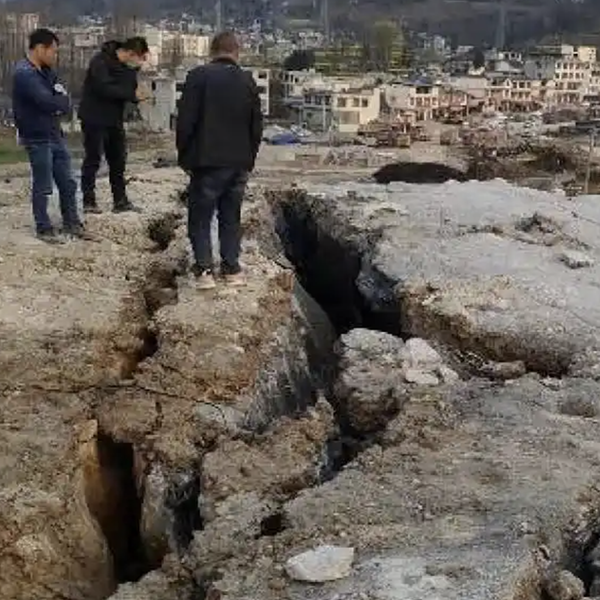
Rock strength, joints, fractures, faults, and groundwater can affect how a rock mass responds. Geological information and site conditions should be reviewed before work begins, and the proposed method should be evaluated by qualified engineering personnel.
If actual conditions differ from the approved plan, the project team should reassess the work through its formal review process. General recommendations should not be used to make unapproved changes to equipment settings or the engineering design.
4. Establish equipment inspection and maintenance records
Inspection and maintenance should follow the equipment manufacturer’s requirements and the site’s safety management system. Project records can track equipment condition, checks, maintenance, and reported faults.
If an abnormality is identified, the equipment should be handled under the approved maintenance process by authorized personnel. Inspection criteria, service intervals, and acceptance limits should be taken from formal documents for the specific model.
5. Manage cleaning, storage, and the full work cycle
कार्य समाप्त होने के बाद, सफाई, निरीक्षण और भंडारण निर्माता के निर्देशों के अनुसार किया जाना चाहिए। परियोजना टीमों को अनधिकृत मरम्मत या अनुपयुक्त सफाई विधियों से बचना चाहिए। क्षतिग्रस्त या एक बार उपयोग किए जाने वाले घटकों का प्रबंधन लागू नियमों और आपूर्तिकर्ता के निर्देशों के अनुसार किया जाना चाहिए।
कार्यकुशलता और सुरक्षा संपूर्ण कार्य चक्र पर निर्भर करती है, जिसमें तैयारी, उपकरण संचालन, कर्मियों का समन्वय, स्थल की सफाई और रखरखाव शामिल हैं। केवल फ्रैक्चरिंग चरण पर ध्यान केंद्रित करने से देरी और जोखिम के महत्वपूर्ण स्रोतों की अनदेखी हो सकती है।
बचने योग्य सामान्य गलत धारणाएँ
तापमान या स्थल की स्थितियों में परिवर्तन को कर्मचारियों द्वारा उपकरण सेटिंग्स में मनमाने ढंग से बदलाव करने का कारण नहीं माना जाना चाहिए। किसी भी परिवर्तन की समीक्षा अधिकृत तकनीकी कर्मचारियों द्वारा निर्माता के दस्तावेज़ों और इंजीनियरिंग योजना के आधार पर की जानी चाहिए।
इसी प्रकार, कम कंपन के दावों का यह अर्थ नहीं है कि कार्य क्षेत्र में नियंत्रण की आवश्यकता नहीं है। CO₂ प्रणालियाँ अभी भी ऊर्जा उत्सर्जित करती हैं, इसलिए परियोजना टीमों को साइट के लिए आवश्यक जोखिम मूल्यांकन, निगरानी, रोकथाम और सुरक्षात्मक उपायों का पालन करना चाहिए।
आपूर्तिकर्ता के दावों का सत्यापन करें
खरीदारों को विचाराधीन उपकरण मॉडल से संबंधित वर्तमान तकनीकी दस्तावेज, उपयोग की सीमाएं, सुरक्षा जानकारी, रखरखाव संबंधी आवश्यकताएं और प्रमाण मांगने चाहिए। प्रदर्शन, वारंटी, सेवा अवधि या परिचालन लाभों से संबंधित दावों को लागू दस्तावेजों द्वारा समर्थित किया जाना चाहिए।
यांताई गाएआ के उत्पाद, मॉडल विनिर्देश, वारंटी शर्तें और तकनीकी सहायता की पुष्टि कंपनी की आधिकारिक सामग्री से ही की जानी चाहिए। स्रोत लेख में कंपनी के नाम का प्रतिस्थापन यह सिद्ध नहीं करता कि किसी अन्य निर्माता का मॉडल या दावे यांताई गाएआ पर लागू होते हैं।
निष्कर्ष
CO₂ रॉक फ्रैक्चरिंग उपकरणों के कुशल और ज़िम्मेदार उपयोग के लिए परियोजना-विशिष्ट इंजीनियरिंग, प्रशिक्षित कर्मियों, उचित उपकरण प्रबंधन और विश्वसनीय आपूर्तिकर्ता जानकारी आवश्यक है। खरीद संबंधी निर्णय सत्यापित साक्ष्य और स्थल की स्थितियों पर आधारित होने चाहिए, और दावा किए गए प्रत्येक सुरक्षा या दक्षता लाभ की समीक्षा उसकी निर्धारित सीमाओं के भीतर की जानी चाहिए।