चट्टान तोड़ने के लिए यांताई गाएआ की तरल ऑक्सीजन गैस विस्फोट तकनीक
Yantai Gaea Liquid Oxygen Gas Blasting Technology for Rock Breaking
Yantai Gaea develops and integrates gas-based rock-breaking equipment for mining, infrastructure, quarrying, tunnel excavation, slope treatment, and foundation projects. Its liquid oxygen gas blasting concept is designed as a controlled rock-fracturing method that differs from conventional high-explosive blasting.
How Liquid Oxygen Gas Fracturing Works
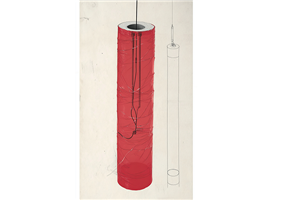
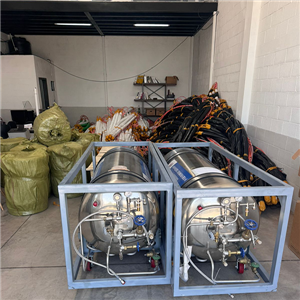
The core principle is rapid volume expansion during a phase-change process. Liquid oxygen is stored and delivered through purpose-designed equipment, including storage systems, supply lines, rock-splitting units, control components, and ignition-related equipment. When the system is activated according to the approved operating procedure, the working medium produces high-pressure gas expansion inside the borehole.
This internal pressure acts on the borehole wall and creates tensile stress in the surrounding rock. Because rock is generally much weaker in tension than in compression, cracks can develop from the borehole and propagate through the rock mass. The final fragmentation result depends on borehole design, rock strength, joints, free-face conditions, hole depth, spacing, loading condition, and project execution.
Differences from Conventional Explosive Blasting
Conventional blasting generally relies on high-speed chemical detonation and is subject to strict controls over explosives, detonators, storage, transport, and use. Gas-based rock breaking uses a different energy-release method and may be considered for projects seeking controlled fragmentation and lower disturbance.
However, equipment using liquid oxygen, pressure systems, electrical initiation, or other controlled energy components still requires rigorous safety management. Local legal requirements for liquid oxygen, transport, storage, pressure equipment, mining activity, and controlled rock breaking must always be confirmed with the appropriate authorities and project safety team.
Typical Application Areas
Yantai Gaea liquid oxygen gas blasting technology may be evaluated for:
Open-pit mining and quarry rock breaking
Tunnel excavation and controlled enlargement
Foundation and basement rock removal
Slope treatment and rock-cut projects
Road, railway, hydroelectric, and municipal infrastructure
Projects near vibration-sensitive or environmentally sensitive areas
The technology is particularly relevant where contractors need to manage vibration, flying-rock risk, noise, project logistics, or restrictions on conventional explosive blasting.
Engineering Design Matters
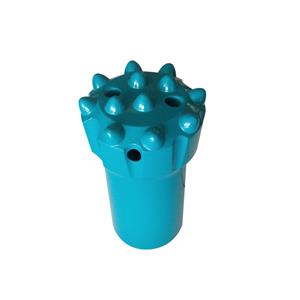
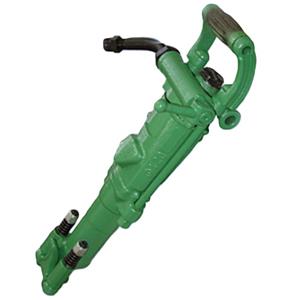
No rock-breaking system should use a single universal borehole layout. A project-specific plan must consider geological data, uniaxial compressive strength, fracture patterns, groundwater, target fragmentation, drilling equipment, production requirements, nearby structures, and safe stand-off distances.
उपकरण विन्यास को सत्यापित करने का सबसे विश्वसनीय तरीका फील्ड ट्रायल है। ट्रायल के माध्यम से बोरहोल की दूरी, छेद की गहराई, लोडिंग क्रम, विखंडन का आकार, द्वितीयक ब्रेकिंग की आवश्यकताएं, संचालन चक्र और प्रति घन मीटर लागत की पुष्टि की जा सकती है।
सुरक्षा और अनुपालन
यांताई गाएआ प्रणालियों का संचालन केवल प्रशिक्षित और अधिकृत कर्मियों द्वारा ही किया जाना चाहिए। कार्यस्थल प्रक्रियाओं में उपकरण निरीक्षण, दबाव-प्रणाली जांच, स्थैतिक-रोधी नियंत्रण, वर्जित क्षेत्र, संचार प्रोटोकॉल, आपातकालीन योजना, निकासी व्यवस्था और संचालन के बाद का निरीक्षण शामिल होना चाहिए।
तरल ऑक्सीजन गैस विस्फोट का महत्व इसके सार्वभौमिक दावों में नहीं, बल्कि इसके नियंत्रित अनुप्रयोग में निहित है। जब इस प्रणाली को भूविज्ञान के अनुरूप ढाला जाता है और अनुमोदित इंजीनियरिंग एवं सुरक्षा योजना के तहत संचालित किया जाता है, तो यह उपयुक्त खनन और अवसंरचना परियोजनाओं के लिए चट्टान तोड़ने का एक वैकल्पिक समाधान प्रदान कर सकती है।